Shifts in global temperatures and weather patterns are largely driven by human activities such as deforestation, industrialization, and the burning of fossil fuels. These activities increase the concentration of greenhouse gases in the atmosphere, which traps heat and leads to global warming. The impacts of climate change are widespread and include rising sea levels, more frequent and intense storms, prolonged droughts, and disruptions to ecosystems and biodiversity. These changes not only threaten the natural environment but also pose serious risks to food security, water availability, and human health, particularly in developing countries.
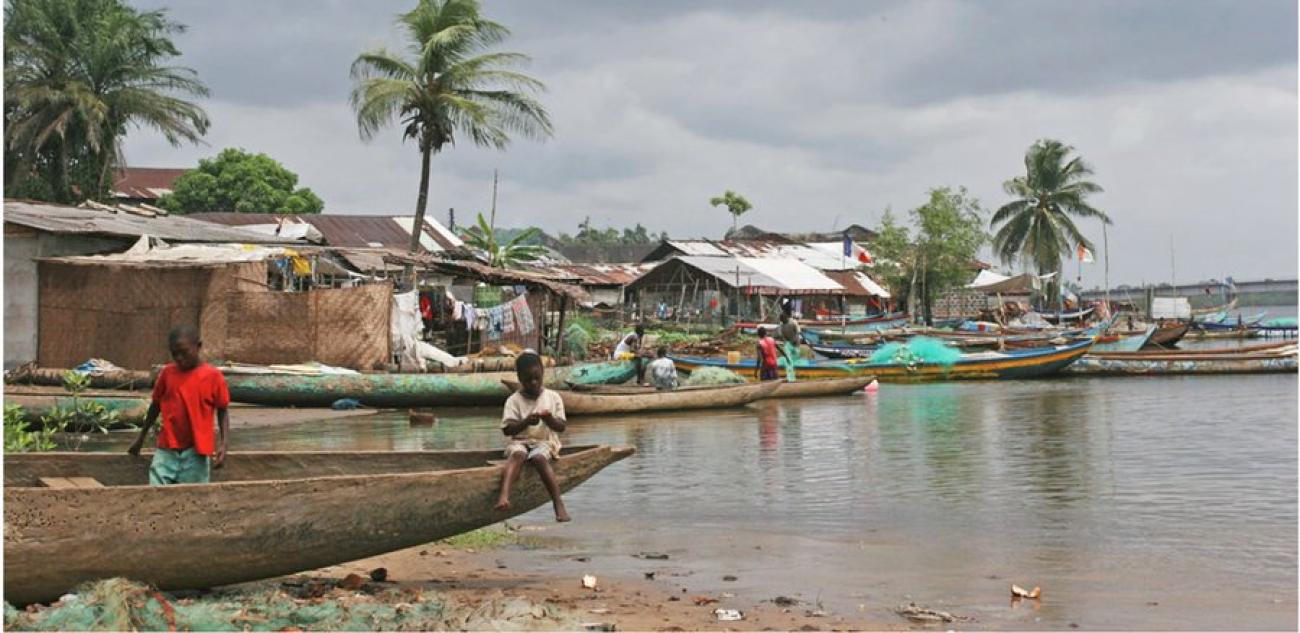
In Liberia, climate change is already having visible effects on both coastal and inland communities. The country’s long Atlantic coastline is highly vulnerable to sea-level rise, leading to coastal erosion and flooding that threaten homes, infrastructure, and livelihoods, especially in areas like Monrovia and Buchanan. Inland, changing rainfall patterns are affecting agriculture, which is the primary source of income for a large portion of the population. Unpredictable seasons, increased flooding, and occasional droughts are reducing crop yields and making food production more difficult for smallholder farmers.
Despite contributing very little to global greenhouse gas emissions, Liberia faces significant challenges in adapting to climate change. The government, in collaboration with international partners, has developed policies and programs focused on climate resilience, sustainable forest management, and conservation, recognizing the country’s rich forest resources as vital carbon sinks. Community-based initiatives, including those under the Community Rights Law, are also helping to promote local adaptation strategies and environmental stewardship. However, increased investment, capacity building, and global support remain essential for Liberia to effectively respond to the growing impacts of climate change.