Major drivers of land degradation include deforestation, unsustainable farming practices, overgrazing, mining, and climate change. When land is degraded, it becomes more vulnerable to erosion, flooding, and desertification, ultimately threatening food security and increasing poverty, particularly in rural communities that rely heavily on natural resources.
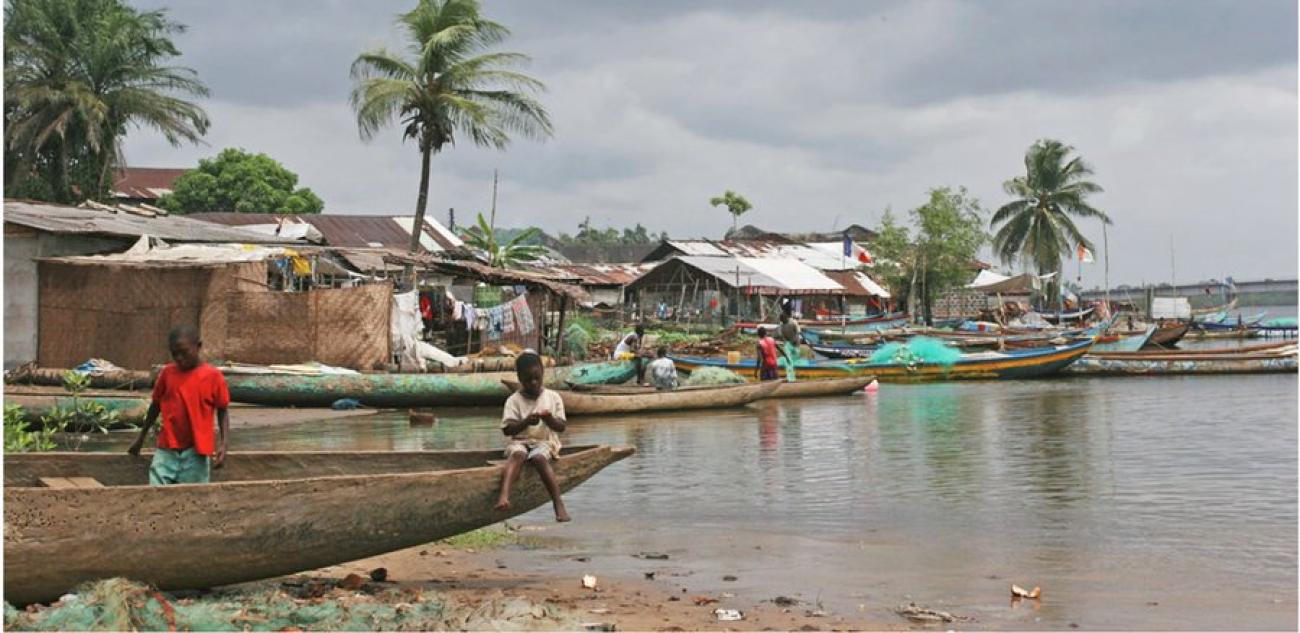
In Liberia, land degradation is a growing environmental concern, closely linked to deforestation, shifting cultivation, logging, and mining activities. The country’s rich forest ecosystems, which are part of the Upper Guinea Forest, are under increasing pressure from both commercial and subsistence use. Unsustainable agricultural practices, such as slash-and-burn farming, contribute significantly to soil nutrient depletion and reduced land productivity. Additionally, poorly regulated mining operations often leave behind degraded landscapes, contaminating soil and water sources and limiting future land use options for local communities.
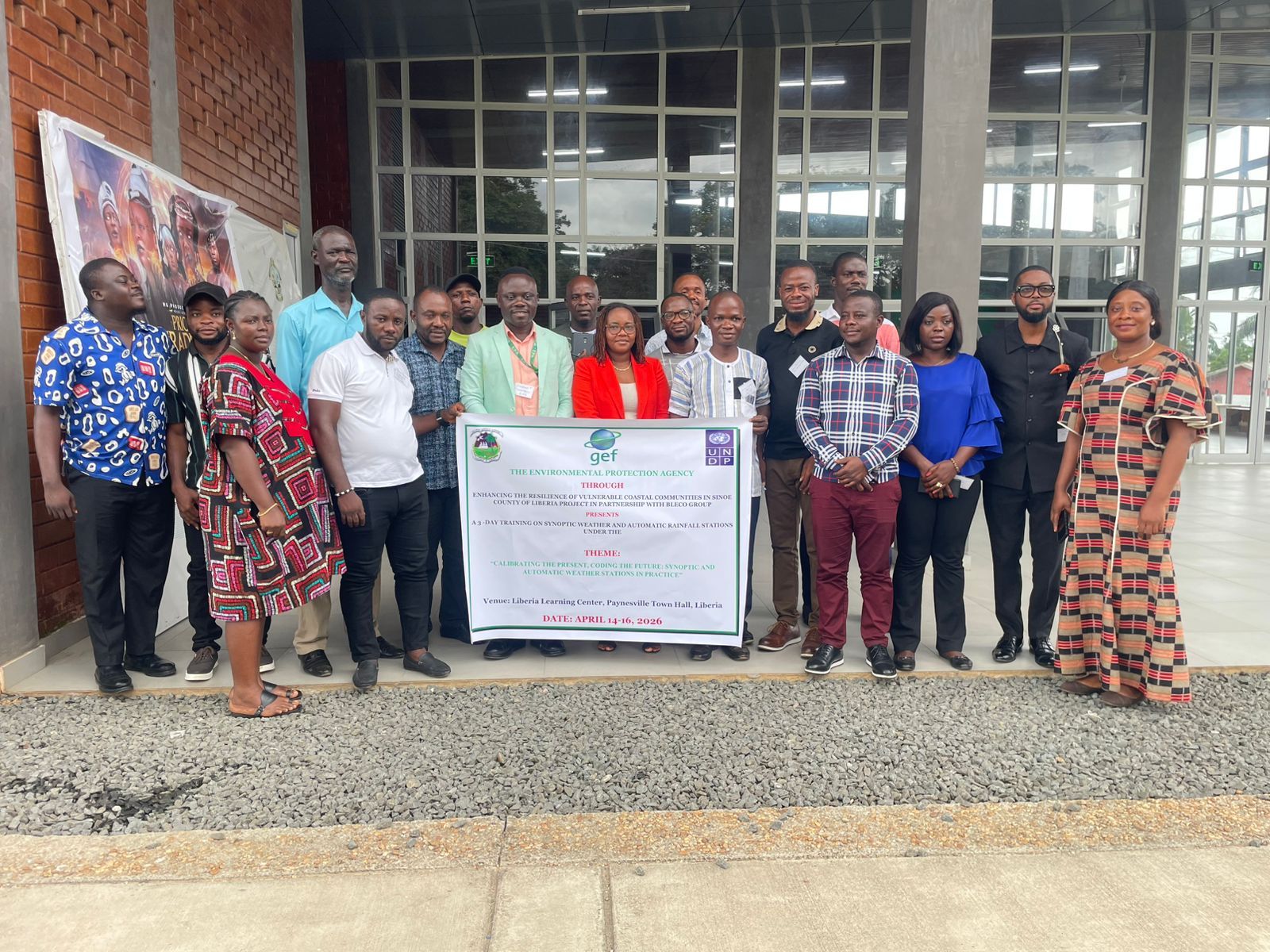
Efforts to address land degradation in Liberia are gradually gaining attention through national policies, community-based forest management, and international support programs such as those funded by the Global Environment Facility (GEF). These initiatives promote sustainable land management practices, including agroforestry, soil conservation techniques, and reforestation. Strengthening land governance, increasing community awareness, and integrating climate resilience strategies are critical steps toward restoring degraded lands and ensuring long-term environmental sustainability and livelihoods for Liberians.