Sustainable cities aim to balance economic growth, social inclusion, and environmental protection through integrated planning covering areas like housing, transportation, waste management, and green infrastructure. Modern approaches emphasize low-carbon development, climate resilience, and nature-based solutions to address challenges such as pollution, congestion, and vulnerability to climate change. These approaches recognize that cities are central to global sustainability, as they concentrate population, economic activity, and environmental pressures.
The Global Environment Facility (GEF) has played a leading role in advancing sustainable cities through its Sustainable Cities Program, which promotes integrated urban planning and cross-sector solutions. Since its launch, the program has supported over 100 cities across more than 40 countries, mobilizing hundreds of millions of dollars in grants and billions in co-financing. It focuses on strengthening urban governance, encouraging innovative financing, and fostering collaboration among governments, communities, and the private sector. Through platforms like the Global Platform for Sustainable Cities, the GEF enables cities to share knowledge, adopt best practices, and transition from fragmented planning to coordinated, long-term urban sustainability strategies.
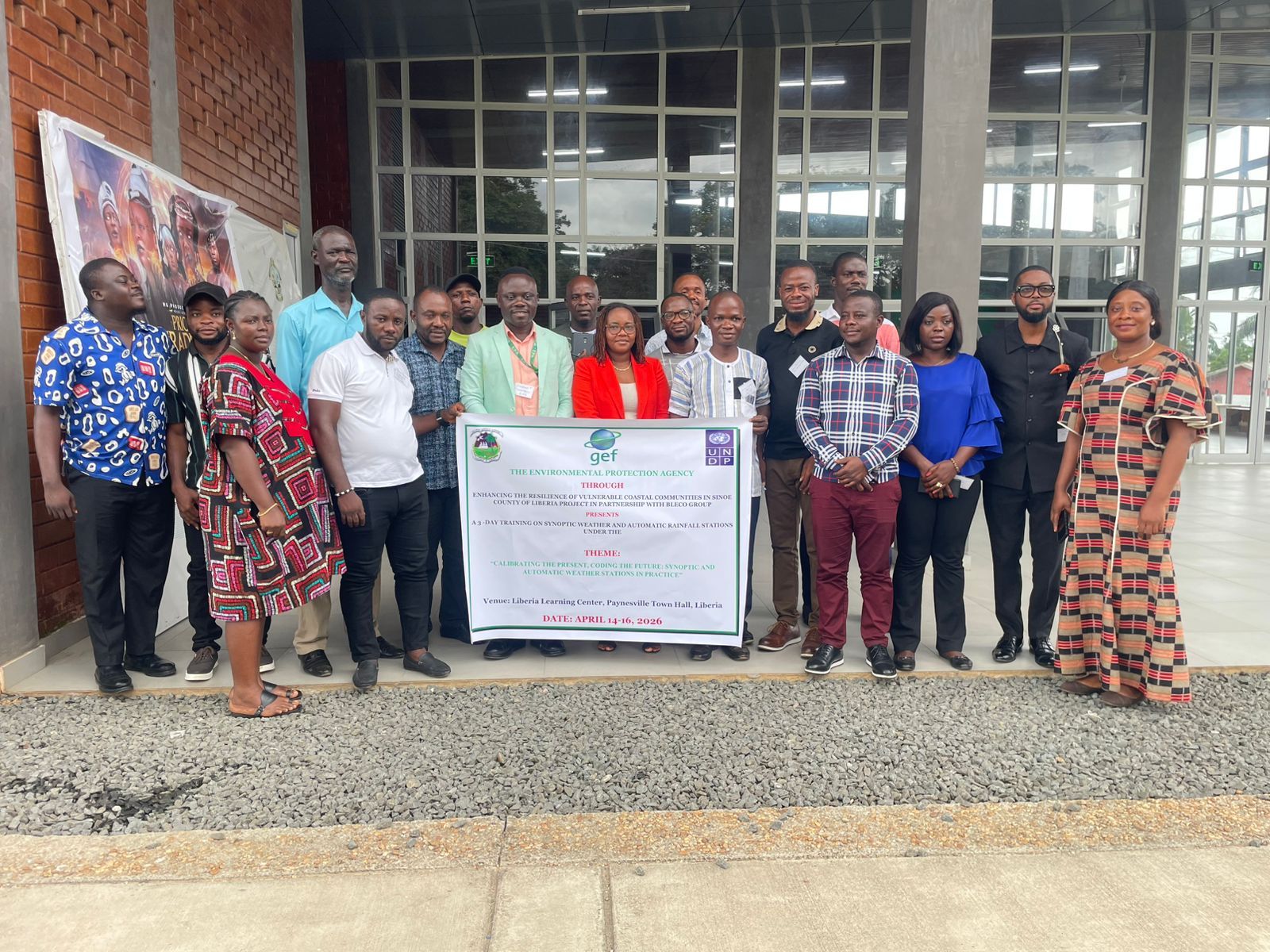
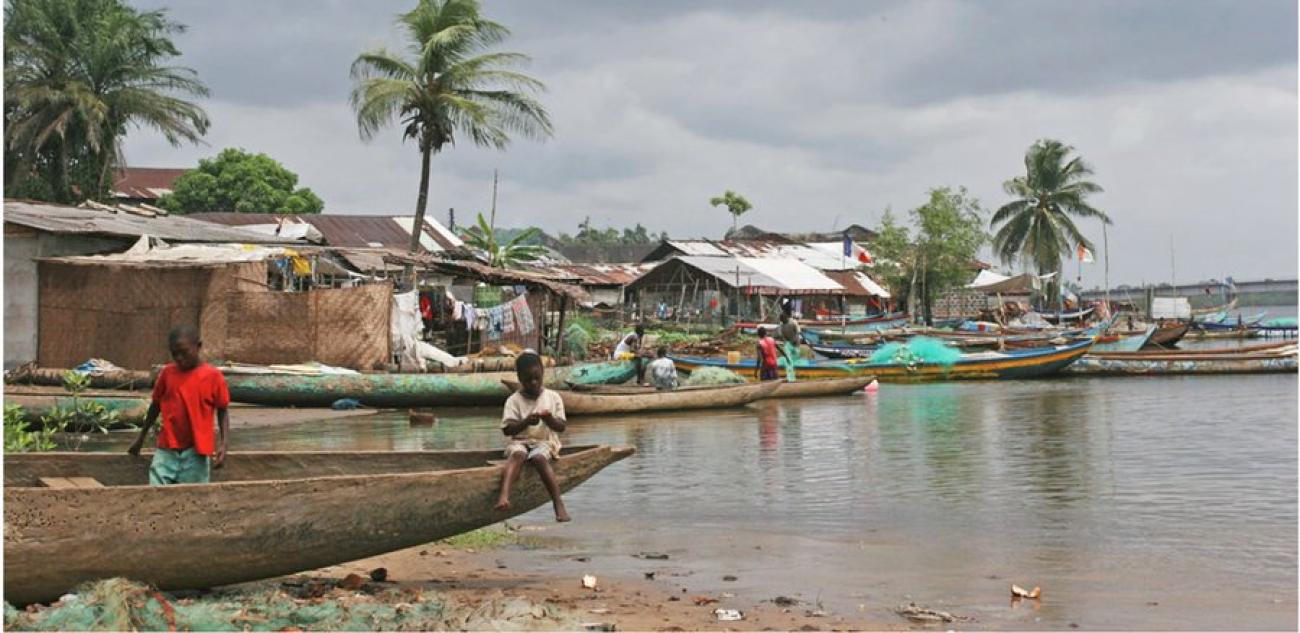
In Liberia, the concept of sustainable cities is increasingly relevant, particularly in urban centers like Monrovia, where rapid urbanization, informal settlements, flooding, and limited infrastructure pose major challenges. Efforts such as the Liberia Urban Resilience Project are improving flood management, urban infrastructure, and community engagement to protect vulnerable populations and enhance resilience. Additionally, GEF support through initiatives like the Small Grants Programme and environmental projects has strengthened community-based approaches to climate adaptation, coastal protection, and sustainable livelihoods. While not all projects are labeled strictly as “sustainable cities,” these interventions collectively contribute to building safer, greener, and more resilient urban environments in Liberia, aligning national development priorities with global sustainability frameworks.