Hazardous chemicals are widely used in agriculture, industry, mining, and household products, and when improperly handled, they can contaminate air, water, and soil. Poor waste management—especially of plastics, electronic waste (e-waste), and industrial by-products—contributes to pollution, biodiversity loss, and climate change. International frameworks such as the Basel Convention, Rotterdam Convention, and Stockholm Convention guide countries in managing hazardous substances, reducing toxic emissions, and promoting environmentally sound disposal practices.
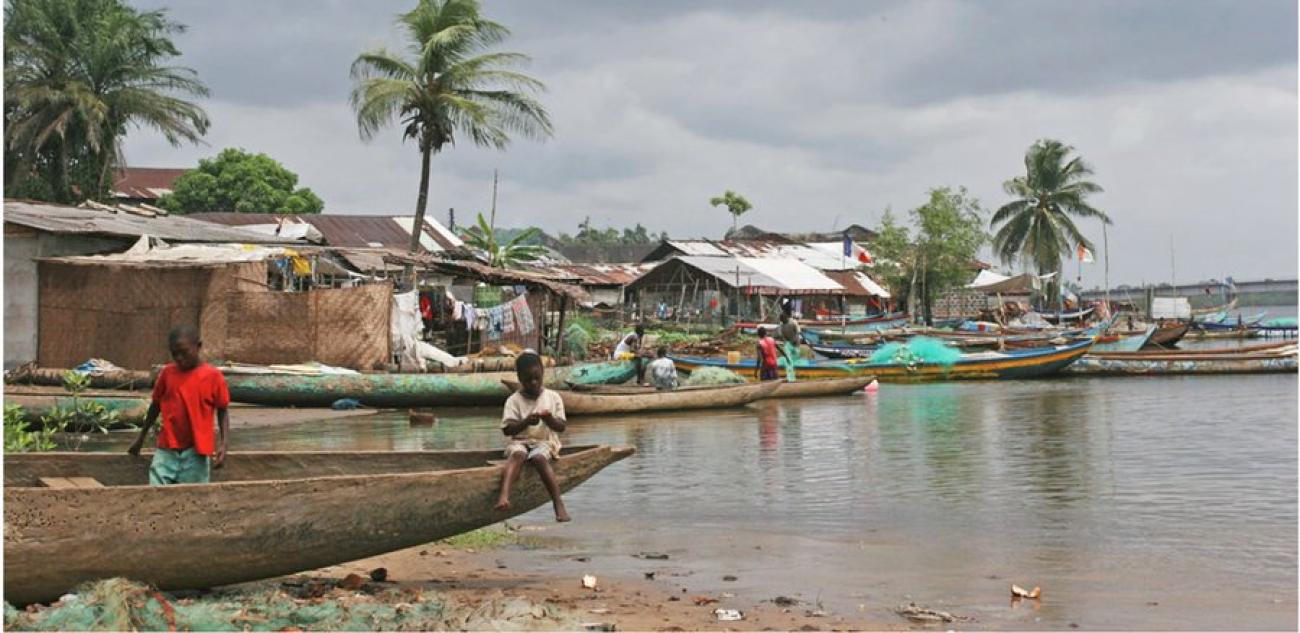
In Liberia, the management of chemicals and waste remains a growing concern due to rapid urbanization, weak infrastructure, and limited enforcement capacity. Municipal waste collection systems are often overstretched, particularly in urban areas like Monrovia, leading to open dumping and burning of waste. This poses significant risks to human health, including respiratory illnesses and waterborne diseases. Additionally, the improper handling of chemicals used in agriculture and small-scale mining—especially mercury in gold mining—threatens ecosystems and local livelihoods. Institutions such as the Environmental Protection Agency Liberia are working to strengthen regulatory frameworks and promote safe chemical management, but challenges remain in terms of funding, awareness, and technical capacity.
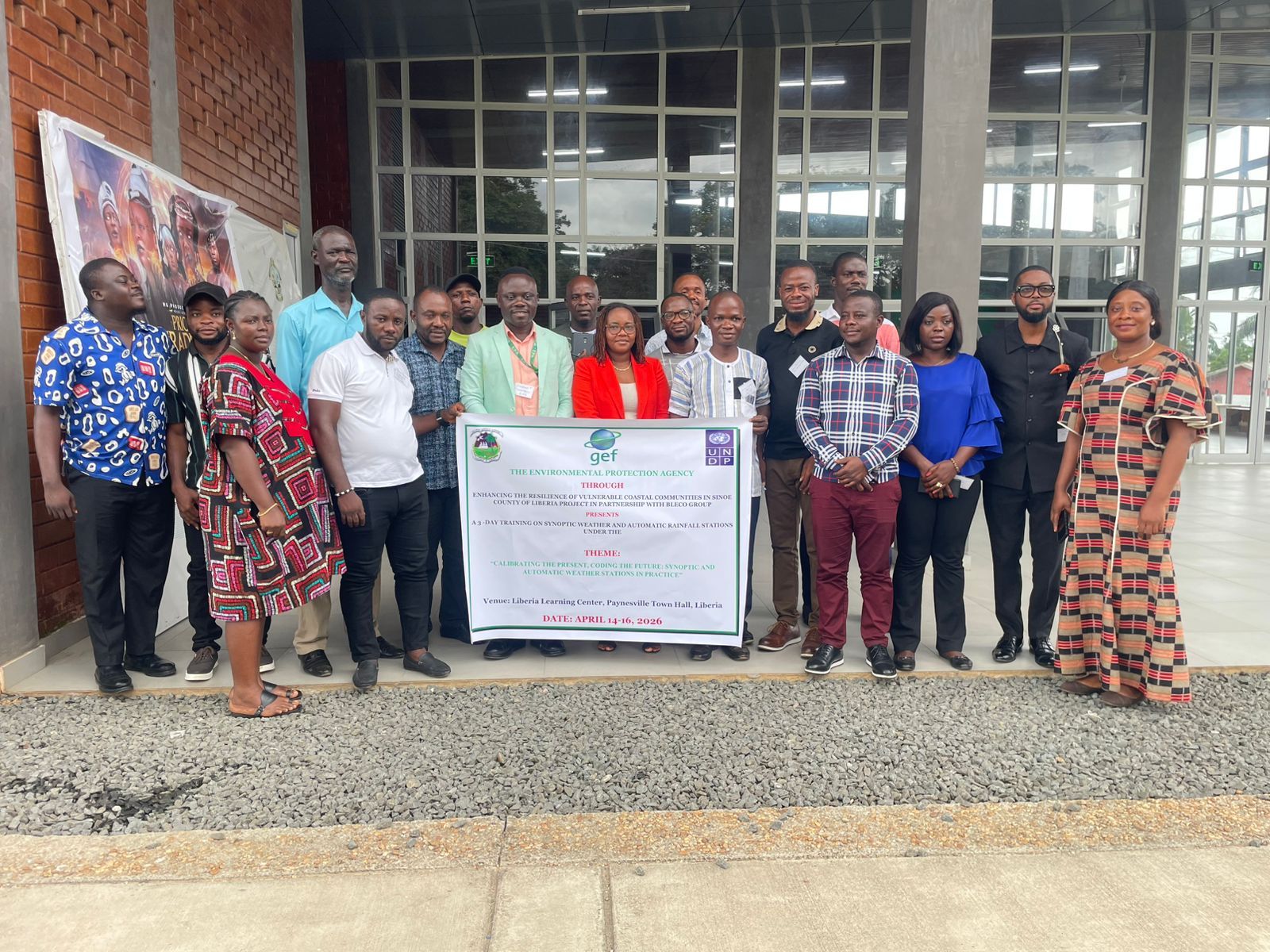
Efforts are ongoing to improve chemicals and waste management in Liberia through policy reforms, community awareness, and international partnerships. Projects supported by organizations like the Global Environment Facility and the United Nations Development Programme aim to reduce the use of hazardous chemicals, promote recycling and circular economy practices, and strengthen national capacity for monitoring and enforcement. Community-level initiatives, including waste segregation, composting, and plastic reduction campaigns, are also gaining traction. Strengthening coordination among government agencies, the private sector, and local communities will be essential to ensuring sustainable chemicals and waste management and protecting Liberia’s environment for future generations.