At all times, all people should have physical, social, and economic access to sufficient, safe, and nutritious food that meets their dietary needs and food preferences for an active and healthy life. Food security is built on four key pillars: availability (enough food produced or supplied), access (people can obtain it), utilization (food is properly used and nutritious), and stability (these conditions are consistent over time). Globally, food security is influenced by factors such as climate change, conflict, economic instability, and population growth, all of which can disrupt food systems and increase vulnerability, especially in developing countries.
In Liberia, food security remains a significant development challenge despite the country’s rich natural resources and strong agricultural potential. A large proportion of the population depends on subsistence farming, with crops such as rice—the national staple—cassava, and vegetables forming the backbone of rural livelihoods. However, low agricultural productivity, limited access to modern farming technologies, poor infrastructure, and post-harvest losses constrain food availability and access. Additionally, many households face seasonal food shortages, particularly during the “lean season” before harvests, when prices rise and incomes are low.
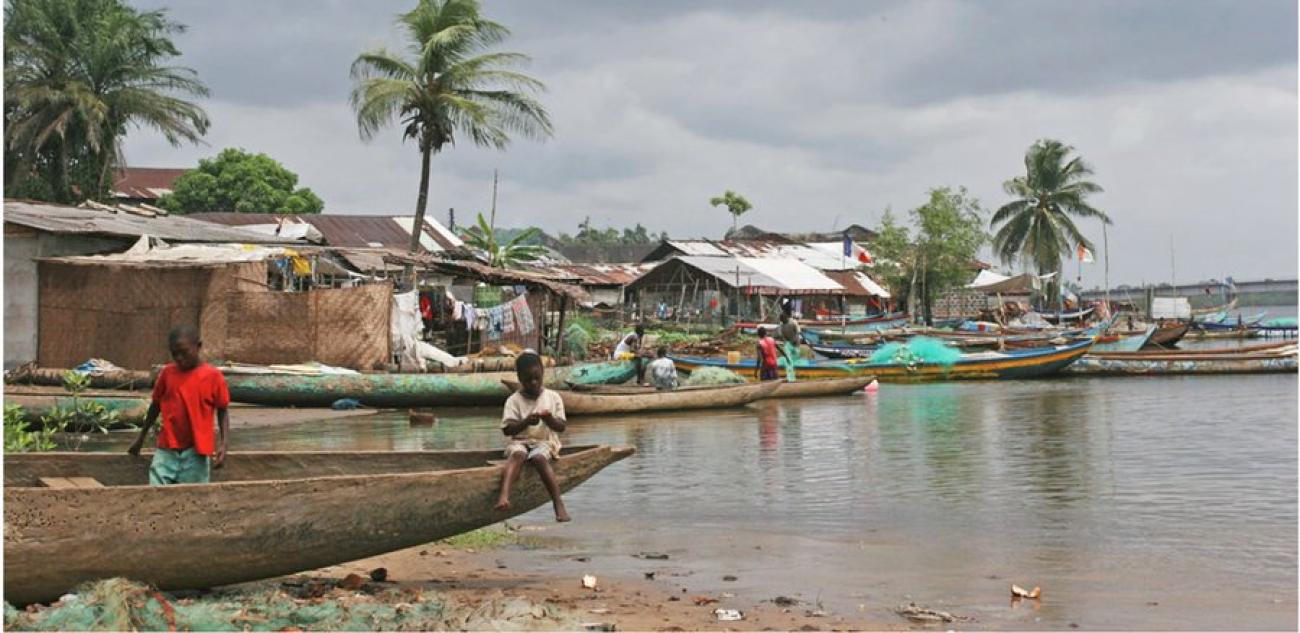
Climate change further exacerbates food insecurity in Liberia by affecting rainfall patterns, increasing the frequency of floods and droughts, and reducing crop yields. Coastal communities are also threatened by erosion and saltwater intrusion, which impact farming and fishing activities. To address these challenges, the government and development partners are promoting climate-smart agriculture, strengthening value chains, and improving market access. Enhancing food security in Liberia requires sustained investment in agriculture, rural infrastructure, and social protection systems, alongside community-based approaches that empower local farmers and build resilience to environmental and economic shocks.