Freshwater ecosystems support a rich diversity of plants and animals, provide drinking water, sustain agriculture, and regulate climate and flood cycles. These ecosystems are closely linked to surrounding landscapes, meaning that activities like deforestation, mining, and urban expansion can significantly impact water quality and biodiversity. Healthy freshwater systems also act as natural filters, removing pollutants and maintaining ecological balance, while supporting livelihoods through fisheries, irrigation, and transportation.
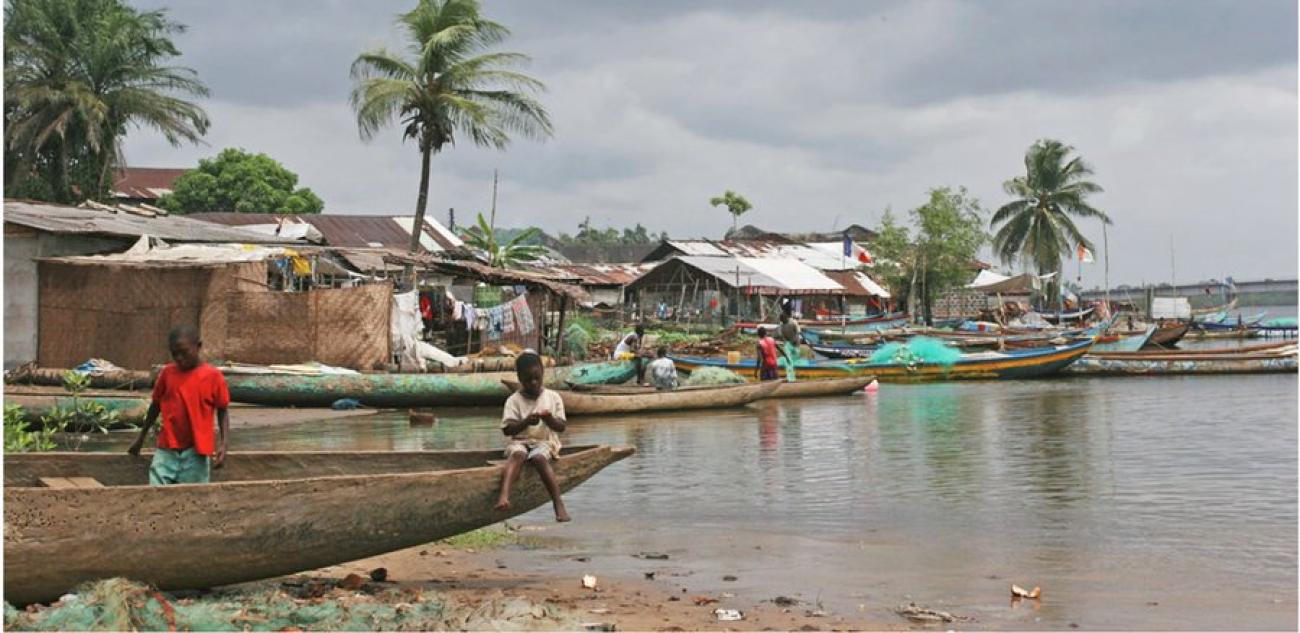
In Liberia, freshwater ecosystems play a central role in both environmental sustainability and community well-being. The country is endowed with major river systems such as the St. Paul River, Cestos River, and Cavalla River, along with extensive wetlands and coastal lagoons. These water bodies support fisheries that provide food and income for rural communities, while also serving as important sources of water for domestic use and small-scale agriculture. Wetlands, in particular, are crucial for flood control and serve as habitats for migratory birds and aquatic species.
However, freshwater ecosystems in Liberia face growing threats from activities such as illegal mining, unsustainable logging, agricultural runoff, and poor waste management. These pressures contribute to water pollution, habitat degradation, and reduced fish stocks, ultimately affecting both biodiversity and human livelihoods. Strengthening conservation efforts, improving water governance, and promoting community-based resource management are essential steps to protect these ecosystems. Sustainable practices will ensure that Liberia’s freshwater resources continue to support economic development and environmental resilience for future generations.