Today, our oceans are faced with growing threats from pollution (especially plastics), overfishing, habitat destruction, and climate change. Rising sea temperatures and ocean acidification are damaging coral reefs and disrupting marine food chains, making it increasingly difficult for ecosystems to recover and remain productive.
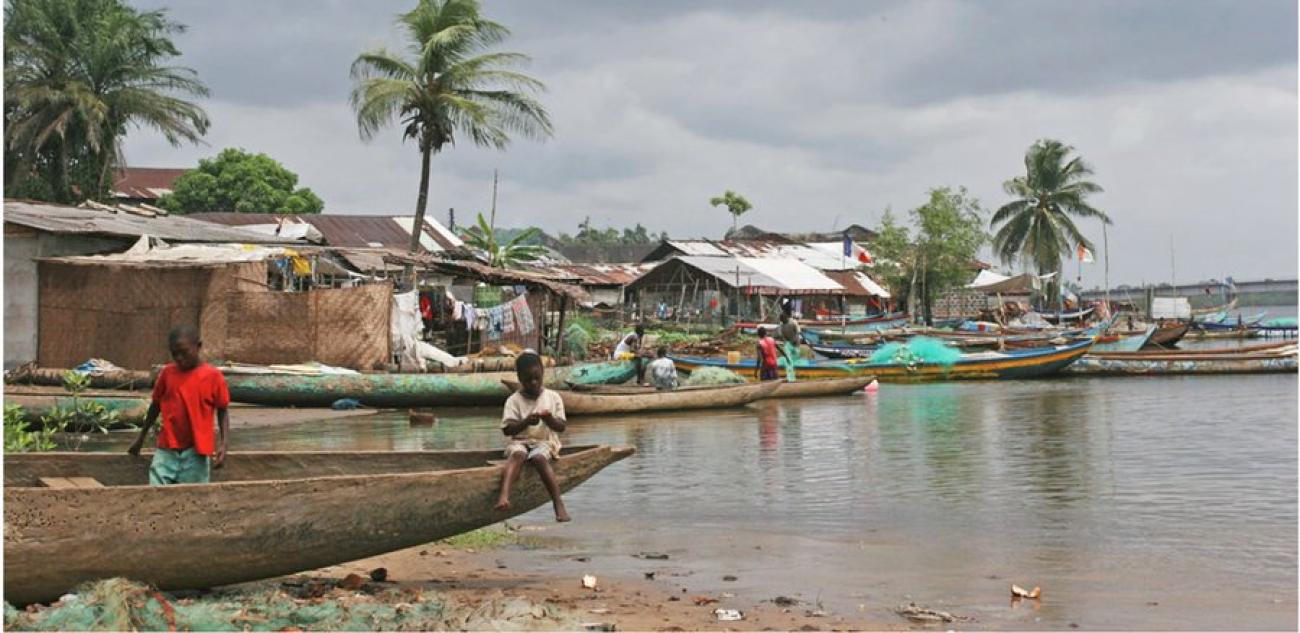
In Liberia, ocean health is closely tied to national development and community well-being. With a coastline stretching over 570 kilometers along the Atlantic Ocean, the country depends heavily on marine resources for food security, employment, and economic activity. Coastal communities rely on fisheries as a primary source of protein and income, while mangrove ecosystems provide critical breeding grounds for fish and protect shorelines from erosion. However, challenges such as illegal, unreported, and unregulated (IUU) fishing, coastal pollution, and the impacts of climate change threaten the sustainability of these resources and the livelihoods of local populations.
Efforts to improve ocean health in Liberia include strengthening fisheries governance, promoting community-based coastal management, and increasing awareness of marine conservation. Initiatives supported by government agencies and international partners aim to reduce overfishing, protect critical habitats like mangroves, and combat marine pollution. By investing in sustainable ocean management and empowering coastal communities, Liberia can safeguard its marine ecosystems while ensuring long-term economic and environmental resilience.